Physical Address
304 North Cardinal St.
Dorchester Center, MA 02124
Physical Address
304 North Cardinal St.
Dorchester Center, MA 02124

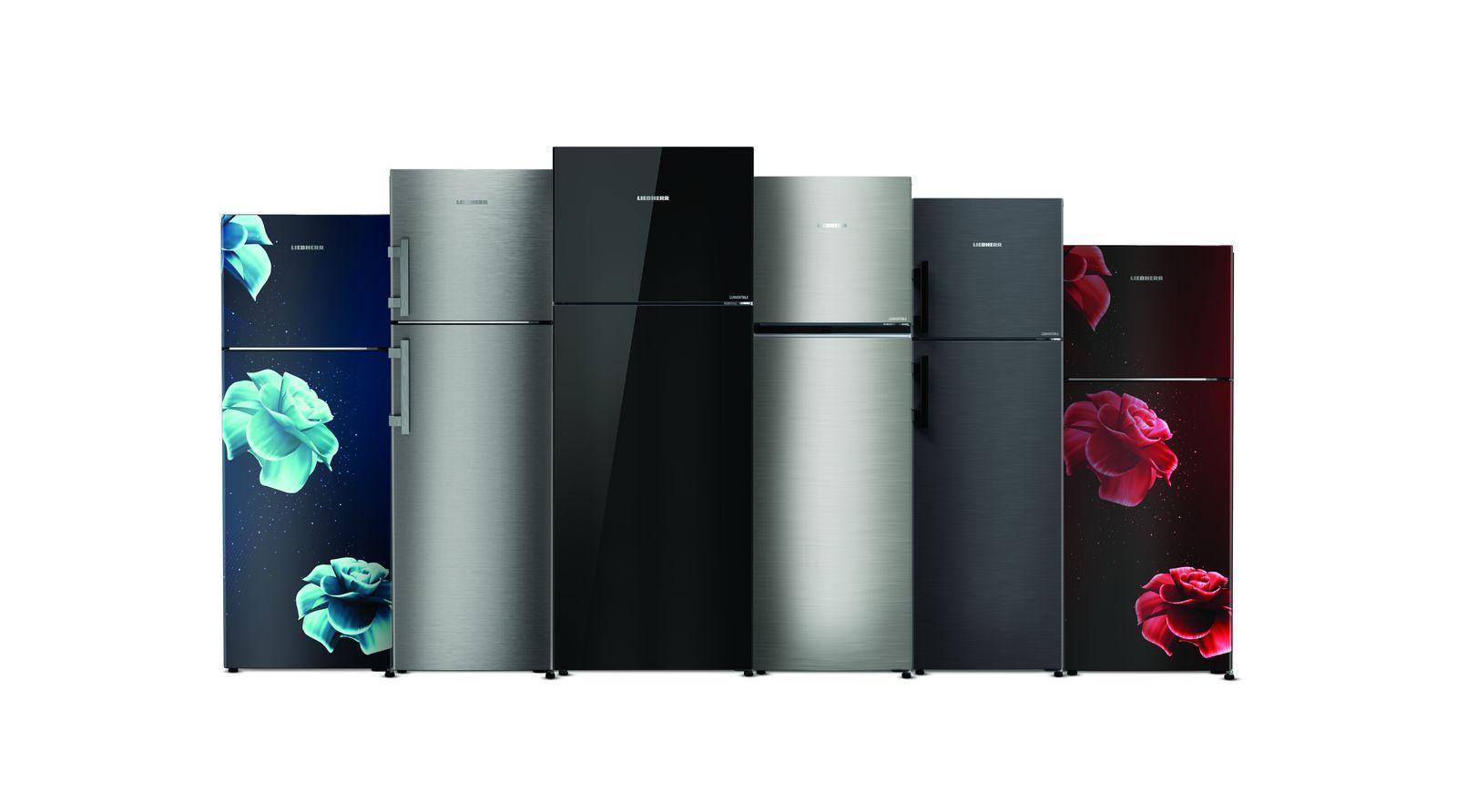
Picking the best refrigerator for a kitchen isn’t really about brochures full of numbers. It’s about how someone actually cooks day to day: whether they shop twice a week for fresh produce, freeze soups in batches on Sundays, or juggle school lunches and dinner prep at the same time. A cold storage unit that ignores those patterns ends up either cramped and frustrating or oversized and half-empty. This piece works through the practical questions that matter before buying — how much space is genuinely needed, whether a standalone fridge or a combined fridge-freezer fits better, and which interior features actually pay off once the appliance is in daily use.
The relationship between kitchen equipment and cooking behavior runs both ways. Limited storage capacity doesn’t just sit passively in the background — it actively shapes shopping frequency and meal planning. Someone with a small fridge compartment tends to buy smaller quantities more often, which pushes them toward recipes that use what’s fresh rather than what’s stockpiled. Conversely, a household with generous fridge and freezer space can plan a week or two ahead, buying in bulk and rotating through frozen staples as needed.
Layout matters just as much as raw capacity. A fridge where the most-used items sit at eye level, with door bins sized for jars and bottles, shortens the number of movements needed during meal prep. When frequently grabbed ingredients are buried behind rarely used containers, cooks lose time hunting rather than chopping, and that friction adds up over dozens of meals a month. This is also why two households with identical appliance dimensions can have completely different day-to-day experiences: one has organized the interior around actual habits, the other hasn’t.
Recognizing this connection early helps frame the sizing and type decisions that follow. The goal isn’t to find the largest or most feature-rich unit available, but the one whose internal geometry supports the rhythm of a specific kitchen — how often it’s restocked, how many people eat from it, and what kind of cooking dominates the week.
Fridge capacity should follow cooking frequency and household size rather than the other way around. A person who cooks from scratch nearly every day typically needs more fresh-food compartment space than freezer space, because their ingredients — vegetables, dairy, proteins bought a few days out — cycle through quickly and take up visible shelf real estate. Someone who leans on prepared or frozen meals has the opposite profile: their freezer compartment carries the workload while the fresh side stays relatively sparse.
Household size interacts with this in a fairly direct way. More people generally means more perishable volume at any given time, but it also means more variety — condiments, snacks, leftovers, packed lunches — competing for the same shelves. That variety, not just raw quantity, is often what makes a fridge feel too small even when the total liter capacity looks adequate on paper.
Batch cooking and meal-prepping add another layer of demand. Cooking large portions on one or two days a week and portioning them out means the fridge needs to hold multiple stacked containers at once, at least until they’re eaten or moved to the freezer. Without dedicated, level shelving for this, batch-cooked meals end up wedged at odd angles or spilling into the door, which increases the odds of something getting pushed to the back and forgotten. For anyone who plans meals a few days at a time, organized vertical space tends to matter more than sheer volume.
The choice between a standalone fridge and a combined fridge-freezer largely comes down to how someone sources ingredients. Cooks who buy fresh produce, meat, and dairy frequently — sometimes every couple of days — often get more practical value from a standalone fridge with a small or no freezer compartment, since their storage needs are almost entirely short-term. Adding a large freezer they rarely fill just eats into kitchen footprint without returning much benefit.
On the other hand, cooks who rely on frozen staples — vegetables, bread, pre-portioned proteins — or who batch-cook and freeze extras for later, get more out of a combined unit with a properly sized freezer section. The trade-off here is straightforward: a bigger freezer compartment usually means less fresh-food space within the same overall footprint, so the decision hinges on which side of that split matches actual eating patterns.
There’s also a workflow angle worth considering. A combined fridge-freezer keeps both temperature zones in one appliance, which can simplify kitchen layout, especially in smaller spaces. But it also means both compartments share a single door-opening habit, and every time the freezer door opens, cold air escapes just as it does with the fresh-food side. Cooks who defrost and reheat frequently throughout the day may find a separated setup — a dedicated fridge and a separate freezer, if space allows — reduces temperature fluctuation in the compartment they use most. Ultimately, the right configuration follows the balance between fresh cooking and frozen backup that a household actually practices, not an assumption about what a “normal” kitchen should have.
Once size and type are settled, the interior details determine whether the fridge actually fits daily cooking habits or just looks the part. Adjustable shelving is one of the more understated features that makes a real difference: bulk ingredients like a large stockpot of stock, a tray of prepped vegetables, or a tall bottle of oil need vertical clearance that fixed shelves rarely accommodate. Being able to raise or remove a shelf on demand means the Fridge can flex around whatever a particular cooking session requires, rather than forcing ingredients into whatever gaps happen to exist.
Where a Liebherr fridge includes BioFresh, fruit, vegetables, meat and dairy sit just above 0°C with controlled humidity, which is why they keep their texture longer than on a standard shelf.
Customisable interior configurations extend that flexibility over time rather than just in the moment. Cooking habits shift — someone might start batch-cooking after a schedule change, or reduce meat consumption and need more crisper space for produce instead. A fridge with movable door bins, split drawers, and shelves that can be reconfigured lets the interior adapt to those shifts without requiring a new appliance. This is where the practical value of a well laid-out fridge becomes clear: the same unit can support very different cooking patterns across its lifespan, as long as its internal layout isn’t rigid.
Humidity-controlled drawers deserve a mention here too, since they address a common frustration for cooks who buy fresh produce often. Separating ethylene-sensitive items from moisture-sensitive ones slows spoilage just enough to reduce the number of trips to the bin at the end of the week, which matters most for households that keep a steady rotation of leafy greens, fruit, and herbs on hand rather than buying just what’s needed for a single meal.
Not necessarily. A larger fridge can just as easily hide forgotten items at the back as it can accommodate more groceries. Organized shelving and clear visibility of what’s stored tend to reduce waste more reliably than extra volume alone.
Integrated fridges are chosen mainly for kitchen aesthetics, since they sit flush behind cabinetry panels rather than standing as a separate appliance. Performance differences between integrated and freestanding models generally come down to interior layout and features rather than the installation style itself.
Look at what actually runs low first during a typical week. If fresh produce or dairy disappears quickly and gets restocked often, fresh-compartment space matters more. If frozen staples or batch-cooked meals pile up, freezer space deserves more weight in the decision.
